Informationen på denne siden er på engelsk.
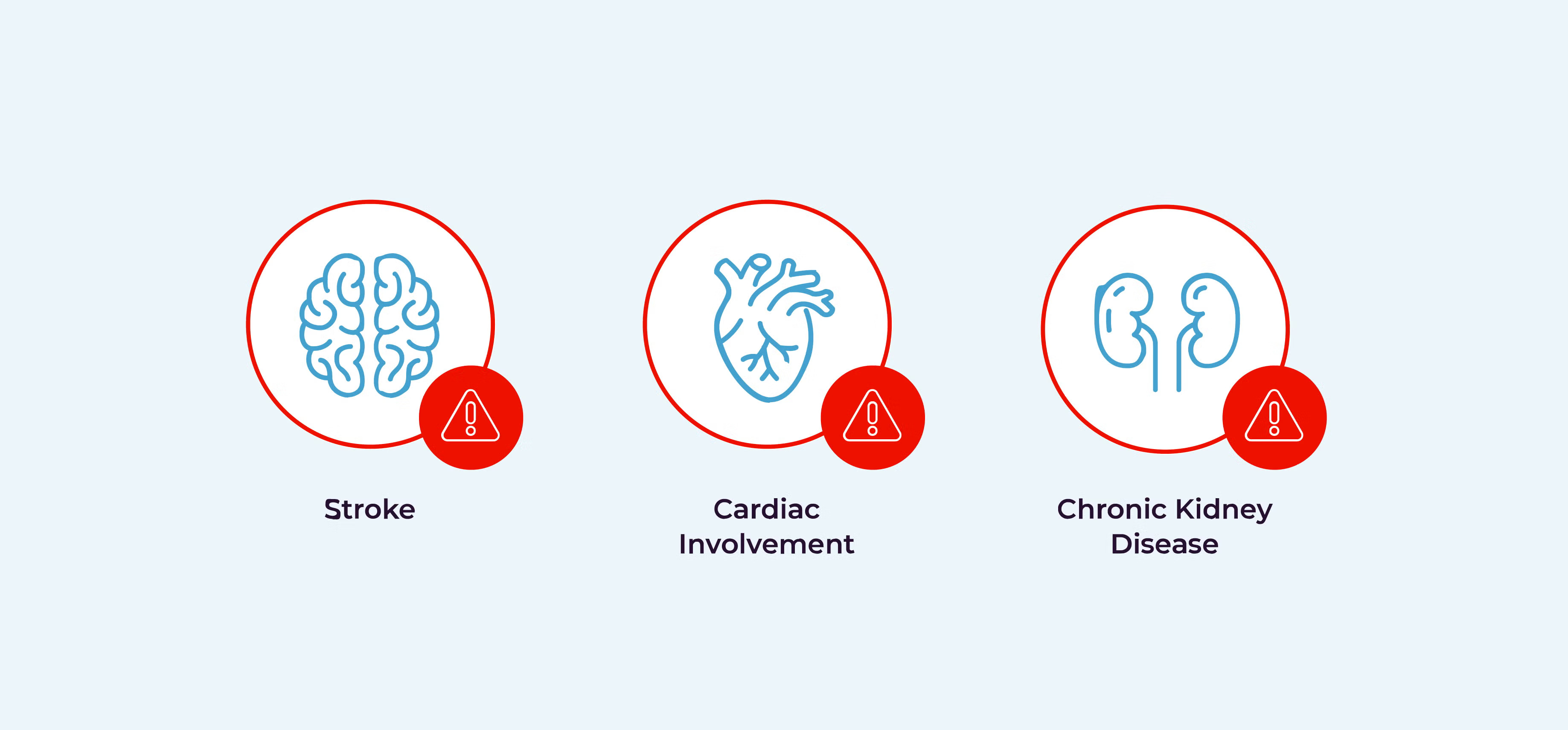
The clinical presentation ranges from life-threatening, acute, overt TTP events to milder TTP manifestations, including thrombocytopenia, haemolytic anaemia, abdominal pain, headaches and neurological symptoms. [1] End-organ damage due to recurrent overt and nonovert TTP, such as stroke, chronic kidney disease, or cardiac involvement, can also develop. [1]
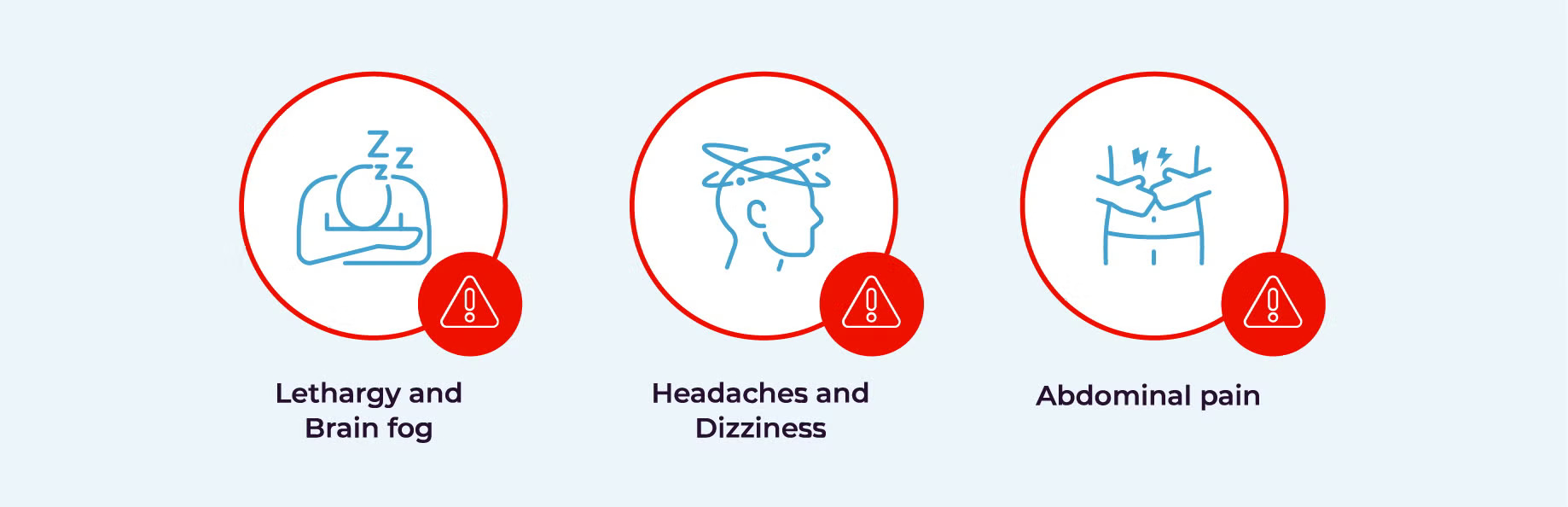
As well as acute events, ongoing subacute manifestations of cTTP can also occur despite the absence of typical clinical and laboratory findings. [1], [2] Symptoms of subacute cTTP can include lethargy, headaches, migraines and abdominal pain. It is important for clinicians to be aware of these manifestations as they may indicate underlying disease. [2] Additionally, over time, cTTP can result in long-term neurological, cardiovascular, or renal complications. [1] Retrospective data has shown that patients with TTP have a higher mortality rate as compared to the general population. [3] This suggests that TTP should be viewed as a chronic disease with acute episodes. [4], [5]
In a study integrating inputs from a literature review, expert opinion, and patient interviews, patients interviewed by telephone indicated that the most salient impacts of cTTP were the diminished ability to work/study, financial distress, feeling depressed, feeling anxious, and mood swings. [6]
In practice, the signs and symptoms associated with cTTP are highly complex and can vary widely between patients. [1], [7] They can range from asymptomatic disease, to a single episode and chronic-relapsing forms, and multiorgan failure.[1], [7] An increased awareness of the clinical manifestations of cTTP, including patient-reported outcomes, is important in order to provide adequate short-term and long-term treatment. [7]
Acronyms
cTTP, Congenital TTP
SmPC, Summary of product characteristics
TTP, Thrombotic thrombocytopenic purpura VWF, Von Willebrand factor